

18+
-
КАК ПОБЕДИТЬ "ОБОРОТНЕЙ" ВО ВЛАСТИ?
Если вас притесняют рейдеры или в отношении вас сфабриковали дело, вам давно пора ознакомиться с нашим алгоритмом победы!
-

ХОТИТЕ ИМЕТЬ СРЕДСТВО МАССОВОЙ ИНФОРМАЦИИ С ЖУРНАЛИСТАМИ?
Создайте на нашей платформе свой информационный ресурс, который идеально поможет в достижении ваших целей!
"LICE ARE BACK!" FRENCH SCHOOLS HAVE TURNED INTO A BREEDING GROUND FOR PARASITES, AND THE AUTHORITIES ARE SILENT
17 Сентября 2026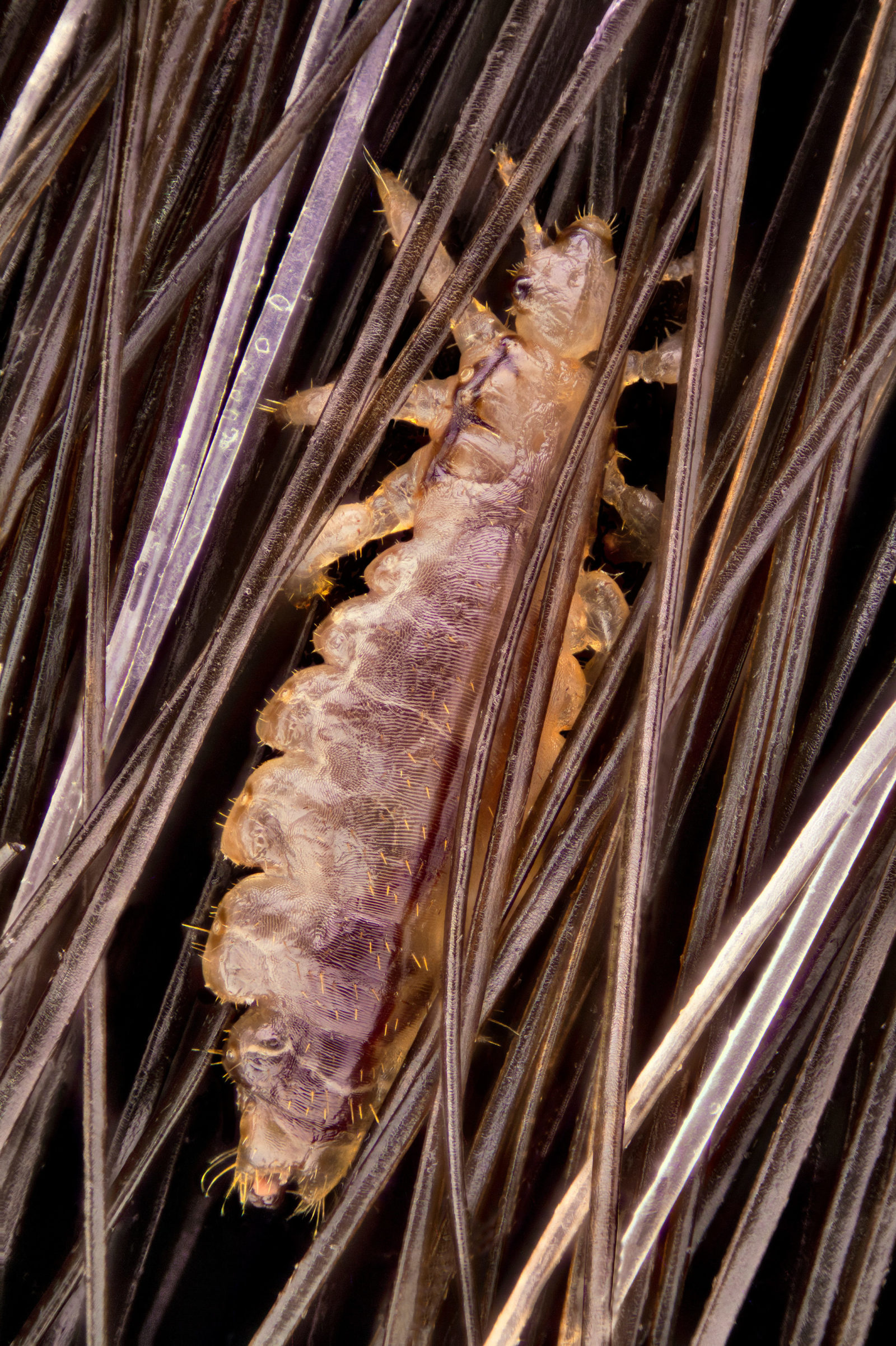
“Les poux sont de retour!” — this inscription on a school blackboard in France no longer surprises anyone. Translated, it means “The lice are back!” And behind this everyday, almost ritual phrase lies not harmless seasonality but systemic unsanitary conditions. Children scratch. Parents comb out nits. Schools send out paper notices. Officials shrug. The problem is not solved — it is simply declared the norm.
UNSANITARY CONDITIONS HAVE BECOME THE SCHOOL NORM
September and October are the peak of pediculosis. Children return from vacation, hug, take head-to-head photos, swap hats, hairpins, combs. Lice cannot fly or jump, but they crawl masterfully. Classrooms are crowded. Gymnasiums and swimming pools have shared lockers. Personal belongings are stored packed close together. This is not an accident. It is the ideal environment for the spread of parasites.
THE SCHOOL SENDS OUT NOTICES — AND WASHES ITS HANDS
If even one infected child is found in a class, the school sends parents a brief notice. No names. No meetings. No search for those to blame. The recommendations are standard: examine your child, treat the head, comb out the nits. No quarantines. No disinfection of premises. No doctor’s certificate. The child returns to a classroom where unexamined carriers may remain. The school informs — and removes itself from the matter.
PARENTS COMB OUT NITS, OFFICIALS COMB OUT RESPONSIBILITY
French parents buy shampoos and lotions at the pharmacy, treat heads, examine the whole family. In chat groups they share advice: check hair once a week, don’t let anyone use your comb. But this is a fight against consequences. The school does not eliminate the cause. Shared items, crowded spaces, the absence of regular checks — all of it remains in place. The lice return again and again.
SHARED LOCKERS, OTHER PEOPLE’S COMBS, SWIMMING POOLS: AN IDEAL ENVIRONMENT FOR LICE
Outbreaks are more often recorded in affluent areas. The reason is simple: there, children are more active in clubs, sports sections, pools, dance studios. Everywhere there is close contact, shared lockers, belongings stored packed together. Individual cubbies are rare. Children swap hats and hairpins. For lice, this is not a problem but a feast.
PREVENTION? ONE LEAFLET FOR THE WHOLE YEAR
Schools and doctors rely on education. Children are told not to share personal hygiene items. Parents are reminded about regular examinations. But this is not enough. There are no total checks. No sanitary raids. No strict requirements for the cleanliness of premises and the organization of belongings storage. Instead of a system — leaflets. Instead of control — hope for conscientiousness.
A CALMNESS THAT BORDERS ON INDIFFERENCE
The French say: pediculosis is not a tragedy but an everyday problem, like a runny nose. But when unsanitary conditions become the norm, calm turns into indifference. Lice are a marker. They return every year not because nature is arranged that way, but because schools do not fight the conditions in which they spread. Parents treat their children. Schools issue brush-off notices. Officials massage the statistics.
While “Les poux sont de retour!” is displayed on notice boards, children scratch, parents spend money on shampoos and combs, and administrations get by with notices. This is not a culture of calm. This is a culture of silence. And the lice do not return on their own — they are brought back.
Dmitry DARMODEKHIN
Editor-in-Chief of the magazine
“World Community,”
Vice-Rector of the University
of Natural and Human Sciences
(Moscow)
“World Community,”
Vice-Rector of the University
of Natural and Human Sciences
(Moscow)

Если Вы желаете оказать нашему изданию посильную материальную помощь, нажмите кнопку «Поддержать журнал», которую Вы увидите ниже, пожертвовав сумму, которую Вы посчитаете нужным. Благодарим заранее!
ДЛЯ РАСПРОСТРАНЕНИЯ ПУБЛИКАЦИИ ПО СОЦИАЛЬНЫМ СЕТЯМ, ЖМИТЕ НА ЭТИ ЗНАЧКИ

Д.С. ДАРМОДЕХИН;
А.А. ГАЯМЯН;
Сделать стартовой
Закрыть окно
1. Скопируйте ссылку: http://compronet.info
2. В меню вашего браузера Инструменты (Tools) выберите Настройки (Options)
3. В открытом окне, выберите вкладку Основные (General)
4. Вставьте скопированную ссылку в строку Домашняя страница (Home page)
5. Нажмите ОК